The Great Data Split: Why 2026 Is the Year Contractors Stop Treating Data Like Paperwork
The construction industry is splitting in two — those who treat data as infrastructure, and those still drowning in spreadsheets. Here's which side you want to be on.
Archie
Co-founder at Tallie
Something Big Is Happening — and Most Contractors Are Missing It
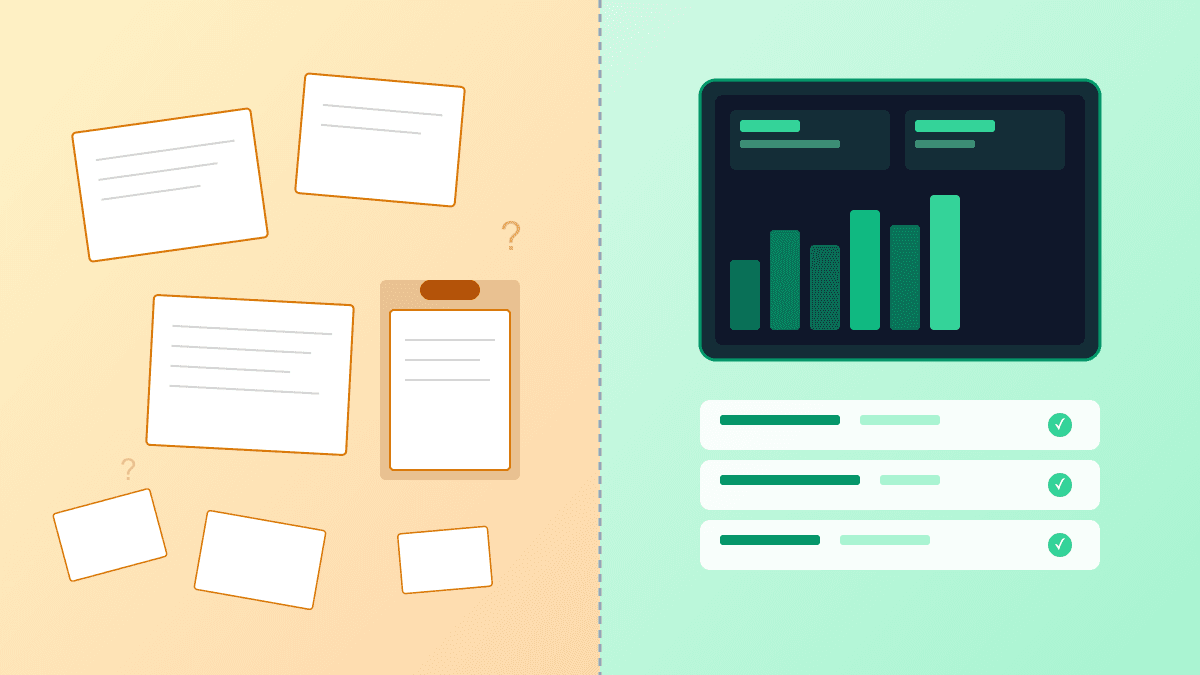
Right now, as you're reading this, the construction industry is quietly splitting in two.
On one side, you've got contractors who are winning more bids, finishing projects faster, and actually knowing their margins before the job is done. On the other side? Guys who are still printing out estimates, losing invoices in their truck console, and spending Sunday nights re-typing numbers into spreadsheets.
This isn't a slow drift. It's a clean break — and 2026 is the year it becomes obvious.
The Experts Are Sounding the Alarm
Autodesk's 2026 construction trends report didn't mince words. The biggest divide in the industry this year won't be between big firms and small ones. It'll be between builders who treat data as core infrastructure and those who still treat it as paperwork.
Read that again. Data as infrastructure. Not "nice to have." Not "something my office manager handles." Infrastructure — like your tools, your crew, your trucks.
Meanwhile, Procore's latest take on AI in construction is even more telling. They're saying AI is shifting from "a tool you use" to "a partner you work with." That's not marketing fluff — it's a real description of what's happening on jobsites right now.
The question isn't whether this shift is coming. It's whether you'll be ahead of it or behind it.
What "Data as Paperwork" Looks Like (Spoiler: It's Painful)
If any of this sounds familiar, you're on the wrong side of the split:
- The Sunday Night Spreadsheet Session. You finished a week of actual work, and now you're hunched over a laptop re-typing numbers from handwritten notes into Excel. Cool. That's fun.
- The Estimate Guessing Game. You know roughly what materials cost... based on what they cost six months ago. You add a buffer. Sometimes you're right. Sometimes you eat the difference.
- The Invoice Black Hole. Somewhere between your truck, your kitchen counter, and that pile on your desk, three invoices have vanished. Your accountant is not amused.
- The "I Thought We Agreed On..." conversation. You quoted one thing, the client remembers another, and there's no paper trail because the estimate was a text message. Good times.
- Re-entering the Same Data Four Times. Once in your estimate. Again in your invoice. Again for your bookkeeper. Again for taxes. Why is this your life?
Look, nobody got into contracting because they love data entry. But for too long, "managing your business data" has meant doing a bunch of boring, error-prone manual work that has nothing to do with actually building things.
What "Data as Infrastructure" Looks Like (The Good Version)
Now picture this:
- You pull up a project and every estimate, change order, invoice, and material cost lives in one place. Not in your email. Not in a folder on your desktop called "Estimates 2026 FINAL FINAL (2)."
- Material prices update in real time. You don't have to call your supplier to see if lumber went up again. You already know — your estimate adjusted automatically.
- When you finish a job, your actual costs vs. estimated costs are right there. You can see exactly where you made money and where you didn't. No guesswork. No "I think we did okay on that one."
- AI helps you build estimates in minutes, not hours. Not replacing your judgment — augmenting it. You still make the calls. You just don't waste time on the math.
- Your client gets a clean, professional estimate that makes you look like you run a Fortune 500, not a one-truck operation. (Nothing wrong with one truck. But looking polished wins bids.)
This isn't science fiction. This is what's possible right now for contractors who decide their business data deserves better than a filing cabinet and a prayer.
Where Tallie Fits In
Look, I'm not going to pretend I'm unbiased here. We built Tallie specifically because we saw this split coming and thought small contractors deserved to be on the winning side of it.
Here's what Tallie does:
- AI-powered estimates — describe the job, get a detailed estimate. Edit it, refine it, send it. Minutes, not hours.
- Real-time material pricing — no more guessing what lumber or concrete costs today. We pull live data so your numbers are actually current.
- Simple, affordable, built for contractors — not a bloated enterprise tool that costs $500/month and requires a PhD to set up. Tallie is designed for the person who'd rather be on a jobsite than staring at a screen.
We're not trying to replace your expertise. We're trying to give you the same data advantage that the big firms have had for years — without the big firm price tag or complexity.
The Split Is Here. Pick Your Side.
2026 is not the year to "wait and see." The contractors who figure out their data game this year will pull ahead. The ones who don't will spend the next five years wondering why they keep losing bids to the new guy with the fancy proposals.
The good news? Switching sides isn't hard. It doesn't require a massive IT investment or hiring a data scientist. It just requires deciding that your business data is worth more than a shoebox full of receipts.
If you're ready to stop treating data like paperwork, check out Tallie. We're building the tool we wish existed when we were in your shoes.
Let's build smarter. 🏗️
Ready to simplify your business?
Join hundreds of contractors who are saving time and winning more jobs with Tallie.
Start Free TodayWritten by Archie
Co-founder at Tallie
Building simple software for contractors who are tired of complicated tools. When I'm not coding, I'm probably researching what makes service businesses tick.